Serengeti Safari vs Masai Mara: Which Is Right for You?
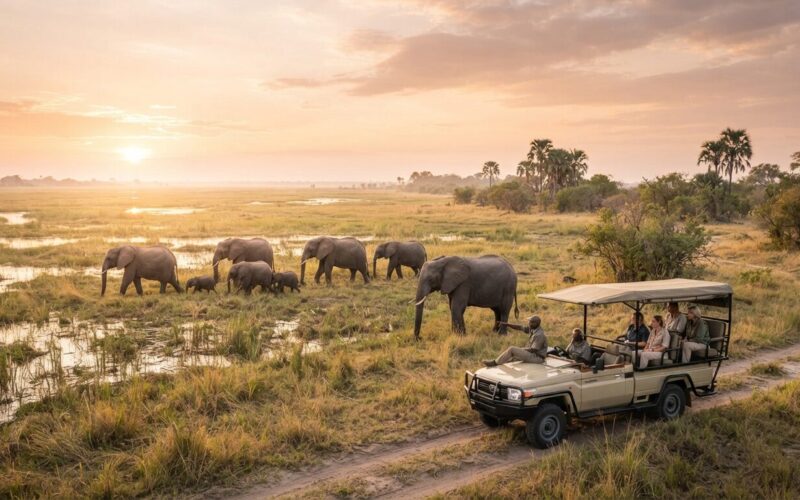
Both the Masai Mara and the Serengeti offer unforgettable wildlife safari experiences. This holds true for everyone, from the first-timer to the seasoned safari traveller. Whichever way you frame this tanzania vs kenya safari decision, it comes down to proper planning and local expertise.
Let’s unpack the important facts to consider when planning your trip. Keep in mind that climatic conditions, and the arrival of seasonal rains, control when and how the animals move. This is where the expertise of local operators becomes invaluable, whether you choose a Serengeti safari or an african safari masai mara adventure.
Here are some popular, frequently asked questions when comparing a tanzania safari vs kenya, or working out whether a tanzania or kenya safari suits your trip best:
- What is the best time of the year to visit these parks?
- What is the difference between the Serengeti and Masai Mara National Parks?
- Can I see fantastic African wildlife in both parks?
- Are all of the same animal and wildlife species found in both parks?
- Which park is more expensive?
What Is the Best Time for Your Safari?
The most popular months are July to September. This is also the most crowded period, with many tourists visiting and rates at their highest.
There is always an abundance of wildlife to see in either the Masai Mara or the Serengeti. Travelling during the off-peak periods can save you a lot of money, while also helping you avoid the crowds.
The rainy season splits into two distinct periods: the short rains around November and December, and the long rains from March to May. However, this varies greatly across this vast area, which covers in excess of 32,000 square kilometres.
The arrival of the rain signals new growth and fresh food for the animals. This is the deciding factor in when, and how fast, they move. As a result, planning around the best time to visit Tanzania Serengeti or the best time to visit Kenya Masai Mara comes down to reading these same seasonal signals.
What Is the Difference?
The Serengeti in Tanzania
The Serengeti National Park covers 14,763 square kilometres (5,700 square miles). This makes it close to ten times larger than the Masai Mara.
Each year, the Great Migration commences in the south-eastern sector of the park, soon after calving season from January to March.
The migration then moves clockwise, from the south along the western sector of the park. By the end of July, it reaches the northern sector along the border with the Masai Mara.
By late October, it re-enters the Serengeti from the Masai Mara in the north-eastern sector, moving south once again.
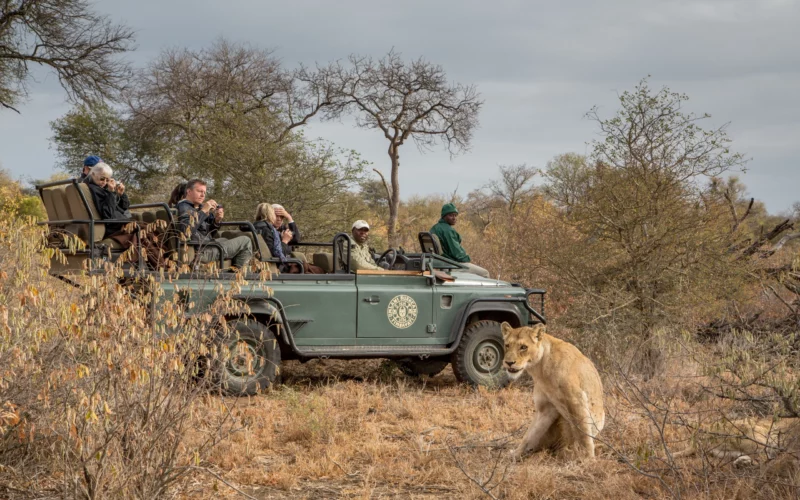
The Great Migration is the well-known attraction, but a host of resident species remain on their home range all year round. Think of territorial animals like lions, who can follow the migrating herds for a limited time. Eventually, though, they come into conflict with other lions in neighbouring territories.
For accommodation in Serengeti National Park, you have a choice of over 150 lodges and camps. Options range from permanent lodges to seasonal tented camps and mobile camps, which relocate as the migration progresses.
The Masai Mara in Kenya
The Masai Mara covers 1,510 square kilometres (580 square miles). It shares an unfenced boundary with the Serengeti, allowing the animals to move freely between the two.
The Great Migration arrives in the western sector of the Masai Mara in late July.
From there, the herds move across the Masai Mara National Reserve, heading east. By the end of October, they cross back into Tanzania.
The private and community conservancies sit to the northeast of the Masai Mara. Here, you can enjoy a more exclusive safari experience.
For accommodation in the Masai Mara, you may choose from over 100 Kenya safari lodges Masai Mara has to offer, from permanent lodges to tented camps at different levels of luxury.
Which Is the More Expensive Park?
Similarly, park entrance fees and conservation fees are close between the Kenyan and Tanzanian national parks. Government fees range from USD 30 to USD 100 per person per day.
Similarly, accommodation costs vary from mobile camps to luxury tented camps and permanent lodges, in both the Masai Mara and the Serengeti. Your budget will largely determine your choice, since accommodation ranges from USD 400 to USD 2,500 per person per night.
Expand Your Safari Experience
So many amazing destinations sit along the safari routes to these iconic wildlife areas. It would be a shame to limit yourself to the big reserves alone. Consider the following on an extended trip of ten days or more.
In Kenya, consider a Seven-day Magnificent Kenya Migration Safari. It includes Nairobi, the Masai mara safari tour, and Lake Nakuru National Park.
If you have more time, consider our thirteen-day Kenya Wildlife Safari instead. This itinerary visits seven national parks and reserves, including the Masai Mara, Amboseli National Park, and Samburu in the north of the country.
In Tanzania, consider the Spectacular Tanzania Safari over ten days. This serengeti safari packages itinerary includes Tarangire National Park, the amazing Ngorongoro Crater, and the Serengeti National Park.
Finally, add a few days of relaxation, sun, and beach time on Zanzibar, with the Zanzibar Affordable Four-Day Safari Extension.
Local Expertise
The most important part of your wildlife safari in East Africa is not simply finding a lodge you are happy with. Travel in Africa presents a few challenges. You need the expertise of local operators to ensure a seamless safari experience.
Sources:
- East Africa Explorer
- Splendour of East Africa
- Spectacular Tanzania – the Serengeti side
- Seven-day Magnificent Kenya Migration Safari – the Mara side
- Kenya Wildlife Safari
Guides and destination pages
Related reading
- Kenya Safaris 101 for first time American Travelers
- Zanzibar Affordable Four-day Safari Extension – optional beach add-on