Explore the Peace Parks of Southern and East Africa – Learn how these Transfrontier conservation areas protect wildlife migrations, promote sustainable safari tourism, and restore ancient ecosystem. Perfect for African Safari enthusiasts, luxury travellers, conservationists and nature lovers.
What are Peace Parks?
Peace Parks of Southern and east Africa, also known as Transfrontier Conservation Areas (TFCA) are vast protected cross-border conservation landscape between the countries of Southern and East Africa. These protected ecosystem integrate multiple countries’ protected areas, national parks, game reserves, and community lands. They are important to help promote biodiversity conservation, cultural heritage, and sustainable tourism.
Not only do they intergrate national parks, but they also allow wildlife to migrate freely across borders and encourage international cooperation. The historical migratory routes of many species of mammals are slowly being restored as the country borders and man-made barriers largely established during the colonial era are being removed to restore biodiversity.
Why Peace Parks Matter: Restoring Nature’s Balance
Fortunately, us “clever” humans have started to realize that the natural order of things in nature plays a critical role in the well-being of the human race. This includes the seasonal migration of the large herbivores. These migrations are essential for:
- Maintaining healthy ecosystem
- Preventing overgrazing and soil erosion
- Supporting predator-prey dynamics
- Enriching biodiversity
Nature knows balance. When wildlife moves as it should, entire landscapes thrive – benefiting both animals and people.
Where are the Peace Parks? Spotlight on KAZA TFCA

The Kavango-Zambezi Transfrontier Conservation Area (KAZA TFCA) is the largest Peace Park in the world. It is area number 5 on the above map. This is a collaboration between Angola, Botswana, Namibia, Zambia, Zimbabwe, covering an area of 520,000 Square Kilometers (200,772 square miles). Work is in progress to further extend the area of the KAZA TFCA, when the Lower Zambezi area (number 12 on the map) can be added to the existing Peace Park.
Why should this matter to You as a Global traveller? The KAZA TFCA
Visiting a Peace Park:
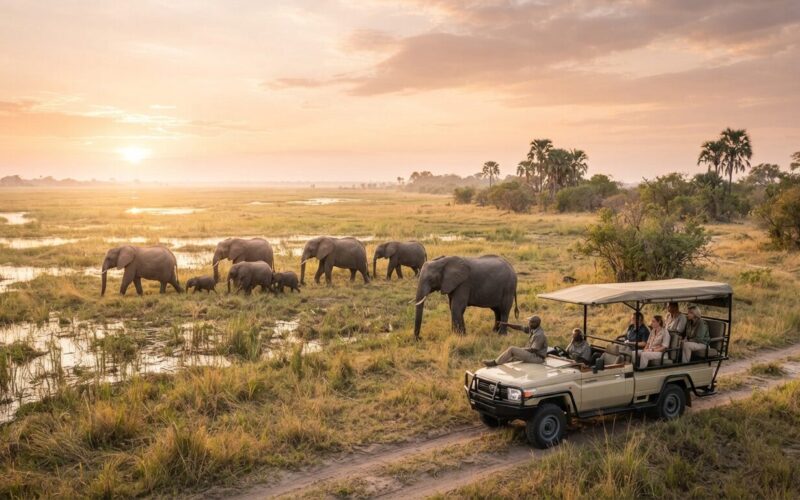
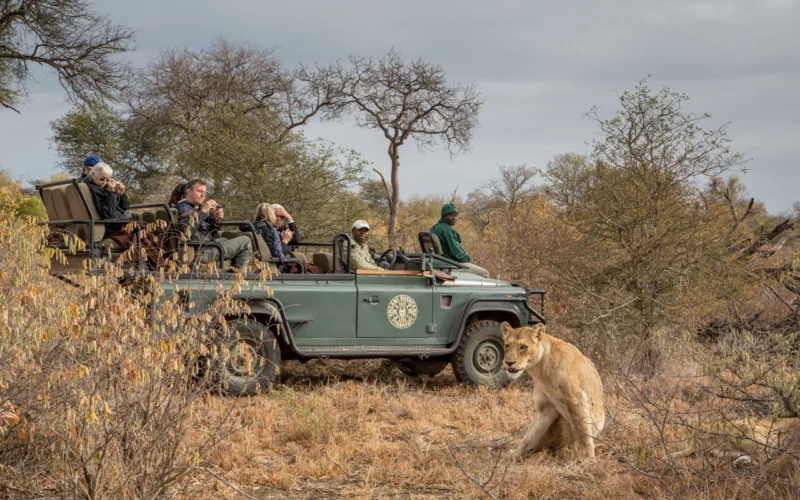
- Unmatched wildlife viewing opportunities
- Cross-border travel experiences
- Cultural exchange with local communities
- Support for conservation efforts and community upliftment
- Luxury eco-lodges and tailor-made safari experiences
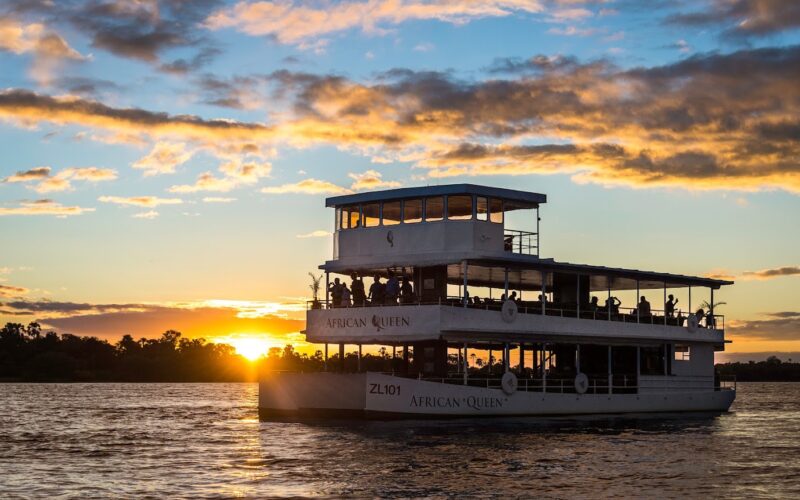
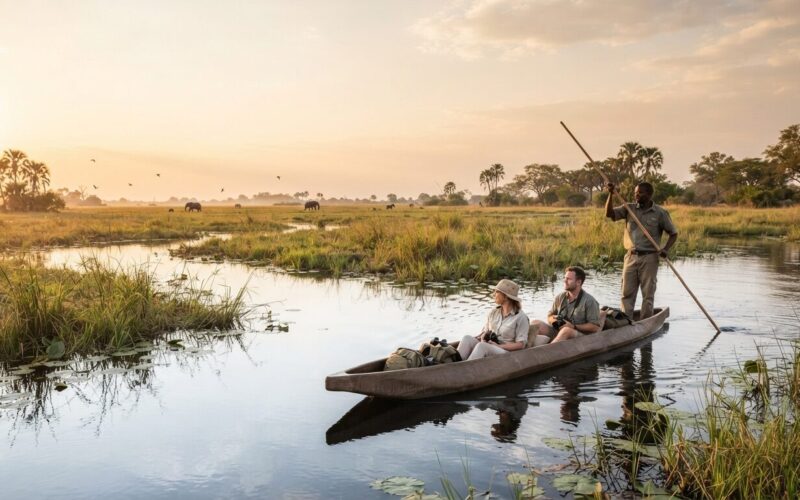
- Opportunities for walking safaris, river safaris , and cultural exchanges.
Whether you are a first-time safari goer, a luxury traveller, a wildlife biologist or a conservationist, exploring Peace Parks like KAZA TFCA offers an unparalleled opportunity to experience Africa’s raw and untamed beauty.
Highlights of the KAZA TFCA;
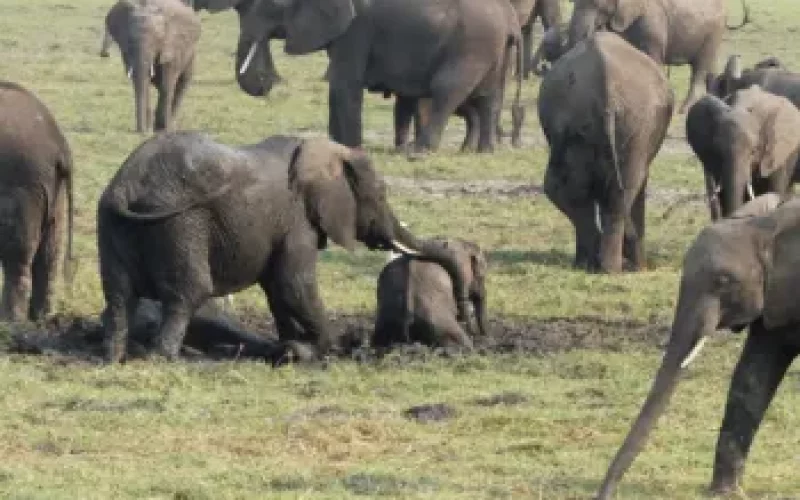
- Home to the largest Elephant population in the world.
- Home to three UNESCO WORLD HERITAGE sites. The Okavango Delta, Tsodilo Hills and Victoria Falls.
- The annual migration of Wildebeest across the Liuwa Plains National Park in Zambia. The second largest animal migration in Africa after the Great Migration of Wildebeest, Zebra, and Eland in East Africa.
- The migration of Plains Zebra and Wildebeest in Botswana – where they do a seasonal 500-kilometer round trip between the Chobe River and Kgalagadi National Park. This is the third largest migration of mammals in Africa after the migration in Liuwa Plains National Park in Zambia which is operated by African Parks.
- The worlds largest inland delta, the Okavango Delta covering up to 15,000 square kilometers (5,800 square miles) when in flood.
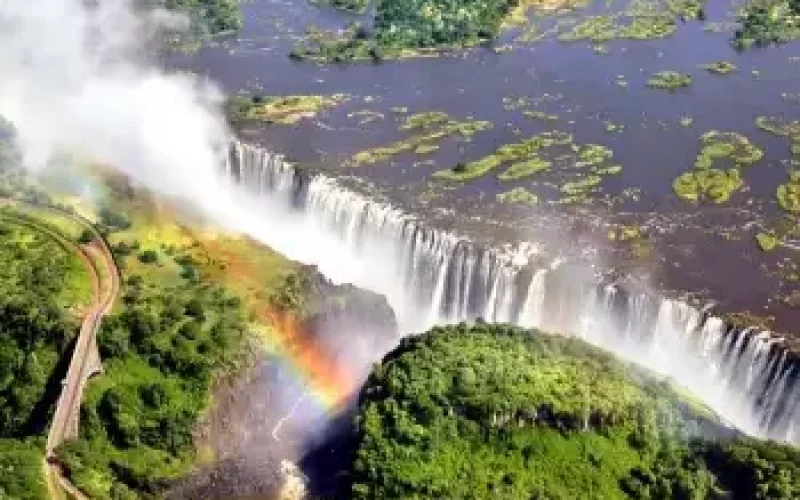
- Home to the largest waterfall in the world – the beautiful Victoria Falls which is up to one mile wide when the Zambezi River is in flood. The water flow over Victoria Falls can reach 8,000 cubic meters of water per second.
- Experience the largest animal migration in the world in terms of the total number of creatures. The Bat Migration of over 10 million straw-coloured fruit bats migrating from across Africa to feast on fruit bearing trees in the swamp forests of Kasanka National Park in Zambia.
- The region is highly accessible with daily international flights and numerous Safari Options to choose from.
Coming Next: Deep Dive into Wildlife Migration & Community Impact
In our next blog post, we will dive deeper into the incredible animal migrations, and how the Peace Parks Foundation is playing a key role in supporting local communities and preserving wildlife populations.
Related reading: The Value of Understanding animal behaviour and The African Big 5 are to be respected